

Online spc monitoring system is a topic more manufacturers are researching as they look to modernize operations, and this guide breaks down exactly what it involves and how to approach it in practice.
Statistical Process Control is one of the most established quality tools in manufacturing, but most plants still run it manually, with operators recording measurements on paper at fixed intervals. LeMeniz’s Online SPC Monitoring system, part of our Digital Factory suite, automates this entirely, catching process drift the moment it happens rather than at the next scheduled check.
The Problem With Manual SPC
Manual SPC depends on operators remembering to record measurements on schedule, and any drift that happens between recordings goes unnoticed until the next check, by which time defective parts may have already been produced. This gap is exactly where LeMeniz’s online monitoring closes the loop.
How LeMeniz Online SPC Monitoring Works
- Direct integration with measurement devices and gauges for automatic, real-time data capture
- Live control charts that update instantly as new measurements come in
- Automatic alerts to supervisors the moment a value approaches or breaches a control limit
- A complete, searchable measurement history for every batch, shift, and machine
Why Real-Time SPC Changes Quality Outcomes
Catching a drifting process within minutes, rather than at the next hourly check, is the difference between adjusting a machine before scrap is produced and discovering a problem after an entire batch has already gone out of specification. Manufacturers using LeMeniz’s SPC monitoring consistently report catching quality issues earlier and reducing scrap volume as a direct result.
Connected to Your Full Quality Workflow
An SPC alert in LeMeniz’s Digital Factory doesn’t stop at notification. It can automatically trigger a digital checksheet for the operator, flag the affected batch in inventory tracking, and feed directly into root-cause analysis tools, connecting quality control to the rest of your production operation instead of leaving it as an isolated data point.
Learn More About Statistical Process Control
For additional guidance on statistical process control and control charts, explore the NIST/SEMATECH e-Handbook of Statistical Methods . It explains how control charts help monitor process variation and identify signals that may require investigation. Manufacturers can use this guidance alongside real-time SPC data to strengthen process monitoring and quality decisions.
Bring Real-Time Quality Control to Your Plant
LeMeniz has supported manufacturers with quality automation solutions since 2016. Whether you’re running SPC manually today or looking to upgrade an existing digital system, our team can help you deploy Online SPC Monitoring alongside the rest of the Digital Factory suite. Reach out to discuss your quality control needs.
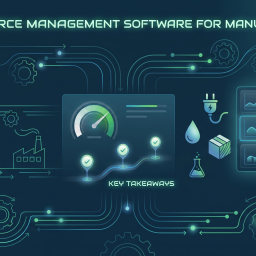
Online Spc Monitoring System: Key Takeaways
Getting online spc monitoring system right is less about chasing the latest trend and more about building a habit of measuring before you change anything. Teams that succeed usually start with a single, well-defined process, track it consistently, and only then expand what they’ve learned to the rest of the plant. That disciplined, incremental approach to online spc monitoring system tends to outperform a single big-bang rollout, because each step is validated with real data before the next one begins.
If you’re evaluating online spc monitoring system for your own operation, it helps to talk with a team that has actually implemented it elsewhere, not just read about it. LeMeniz Technologies has supported manufacturers since 2011, and we’re happy to walk through real examples of online spc monitoring system in practice before you commit to anything.
To see how online spc monitoring system fits into a complete digital factory rollout, explore our Digital Factory suite from LeMeniz Technologies.
Teams rolling out online spc monitoring system for the first time often underestimate how much of the early value comes from simply having consistent, accurate data to look at, rather than from any single advanced feature. Getting the basics right and building the habit of reviewing that data regularly tends to matter more in the first few months than choosing the most sophisticated available option.