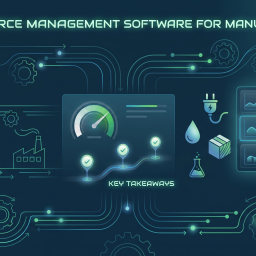


Clri machine handling checklist software is a topic more manufacturers are researching as they look to modernize operations, and this guide breaks down exactly what it involves and how to approach it in practice.
Proper machine handling is covered in every induction training, yet handling lapses remain one of the most common causes of both quality issues and equipment damage. LeMeniz’s CLRI software, part of our Digital Factory suite, enforces correct machine handling checks before every production run, ensuring good practice doesn’t depend purely on memory under production pressure.
What CLRI Enforces
- Mandatory pre-run checks confirming safety guards and interlocks are properly in place
- Verification that machines are operating within rated speed and load parameters
- Structured reporting of unusual noise, vibration, or temperature before continuing to run
- A complete, timestamped handling check record for every machine, every shift
Why This Matters Under Production Pressure
When production targets are tight, handling shortcuts feel tempting, but almost always cost more time in the long run than they save. LeMeniz’s CLRI software makes it harder to skip a check without it being visibly incomplete, unlike a paper form that can simply be left blank.
Feeding Into Maintenance Decisions
When operators report unusual machine behavior through CLRI rather than a verbal mention to a supervisor, that report becomes a permanent record. Over time, this builds a clear picture of which machines show early warning signs repeatedly, directly supporting predictive maintenance decisions.
Reinforce Good Practice With LeMeniz
Since 2016, LeMeniz has helped manufacturers build consistent, enforced operational discipline into daily machine handling. Contact our team to see how CLRI can reduce handling-related damage and downtime in your plant.
Benefits of Digital Machine Handling Checks
CLRI machine handling checklist software helps manufacturers standardize machine checks and make sure important handling procedures are completed consistently before production begins. Digital checklists can guide operators through required inspection steps, record observations, and create a clear history of machine conditions across shifts. This makes it easier for supervisors and maintenance teams to identify repeated issues and respond before they develop into larger problems. By replacing informal verbal reporting and paper-based checks with structured digital records, manufacturers can improve traceability, support preventive maintenance, and reinforce safe machine-handling practices. Over time, the collected data can also help teams identify recurring equipment concerns and improve machine operating procedures.
Clri Machine Handling Checklist Software: Key Takeaways
Getting clri machine handling checklist software right is less about chasing the latest trend and more about building a habit of measuring before you change anything. Teams that succeed usually start with a single, well-defined process, track it consistently, and only then expand what they’ve learned to the rest of the plant. That disciplined, incremental approach to clri machine handling checklist software tends to outperform a single big-bang rollout, because each step is validated with real data before the next one begins.
If you’re evaluating clri machine handling checklist software for your own operation, it helps to talk with a team that has actually implemented it elsewhere, not just read about it. LeMeniz Technologies has supported manufacturers since 2011, and we’re happy to walk through real examples of clri machine handling checklist software in practice before you commit to anything.
For broader context on manufacturing modernization standards, see the NIST manufacturing resource center. To see how clri machine handling checklist software fits into a complete digital factory rollout, explore our Digital Factory suite from LeMeniz Technologies.
Teams rolling out clri machine handling checklist software for the first time often underestimate how much of the early value comes from simply having consistent, accurate data to look at, rather than from any single advanced feature. Getting the basics right and building the habit of reviewing that data regularly tends to matter more in the first few months than choosing the most sophisticated available option.